Our Product
Oradell is a wool outerwear company with a concentrated British supply chain. From sheep to mill to garment, our outerwear creates value in a currently stagnated system.
Oradell makes heirloom garments, to be worn by you and your grandchildren after you. Made to last, our fabric will be durable and waxed to be water-resistant. It will be functional for work or walks in the countryside, and stylish for wear in any city. Design elements are inspired by traditional workwear and heritage styles. Oradell’s garments are immediately familiar, yet exciting, like your grandparent’s old jacket in the back of the closet, just rediscovered by you.
Weaving a heritage material into the modern era
We are researching and developing an innovative fabric waxed with lanolin, a substance that naturally occurs in wool, to make it water-resistant and durable to last generations. The textile innovation of today has left behind natural fibres in favor of synthetic materials which are often cheap to produce but ultimately have a devastating effect on the environment. Wool, on the other hand, is natural, biodegradable and over produced in the UK.
British natural resources are being wasted under the current system, and telling this story is critical to our brand. We aim to connect people to their countryside and inform them of the failings of the current agricultural and fashion systems while empowering them to be part of the solution. Oradell uses an abundant, undervalued material to make a high value garment, creating a new farm to fashion pathway for ethical consumption. Our customers support an entirely British, short supply chain where they benefit directly from their own natural resources and contribute to the revitalisation of their own manufacturing economy. Our wider vision is to lead the charge towards a fashion system that is sustainable because it is place based, slow, and composed of many small businesses like ours taking on big problems.
Countrywear made in the countryside
British wool is undervalued in the current supply chain. It is produced in abundance using valuable resources, but much is wasted because of limited processing infrastructure. British wool has become a byproduct rather than the desirable and multipurpose material that it once was.
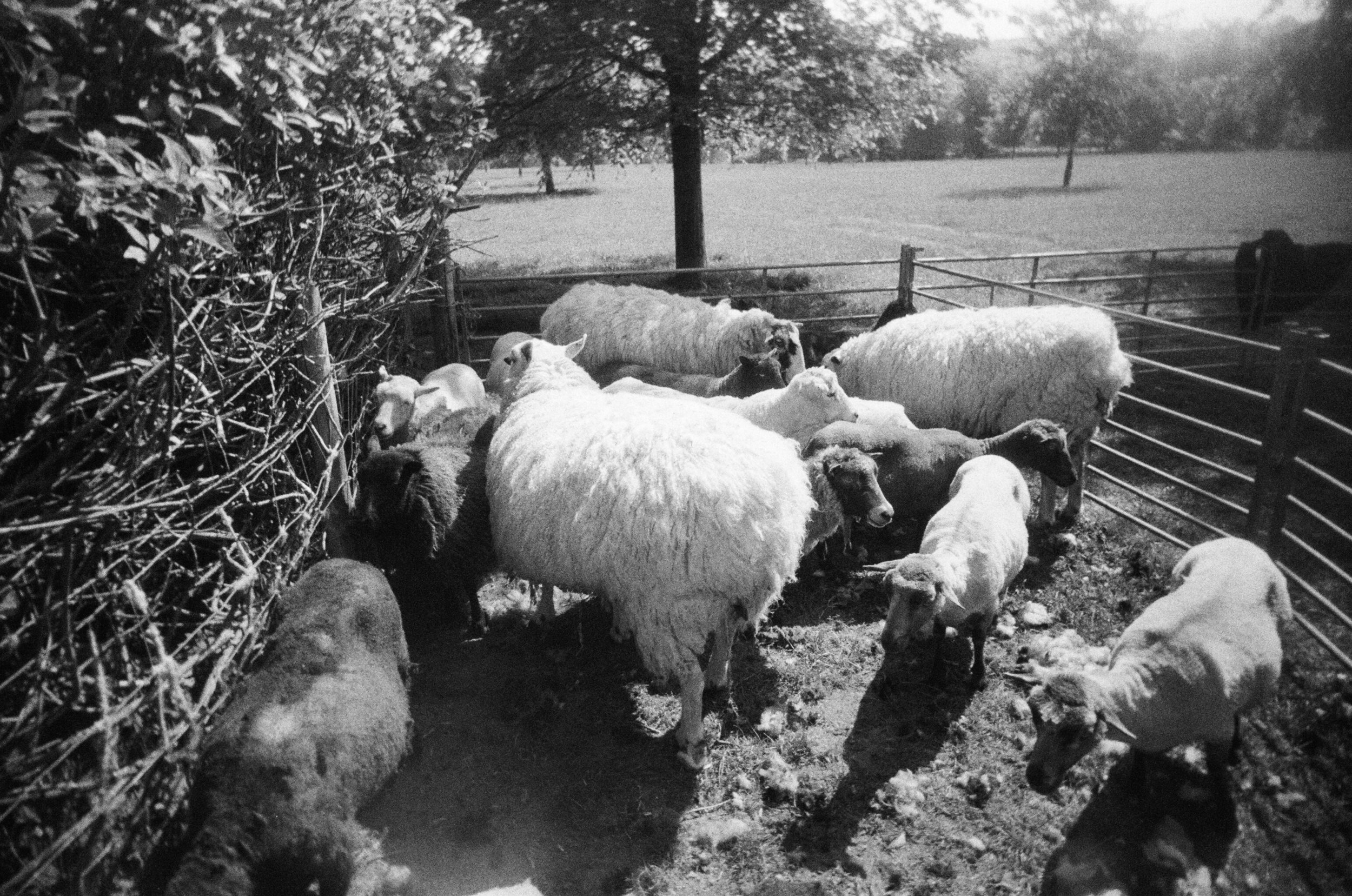
Every year hundreds of tonnes of British wool go to waste. All sheep have to be sheared but it costs more to shear a sheep than the fleece is worth and even more to transport it to market. Historically, wool was a driver of the British economy. Now with the rise of synthetic materials and the movement of manufacturing overseas, many woolen mills have shut and the price of wool has trended downwards since the 1950s. The undervaluing of wool makes it economically unviable for farmers to send it to market, so it sits on their farms and rots.
Precious natural resources go into producing wool that never even enters the supply chain. Wool is a durable, natural, biodegradable material that farmers already grow as a byproduct of wider sheep farming. It will continue to be wasted unless we create a system where every step of the supply chain adequately compensates sheep farmers and wool manufacturers.